Table Of Content
Design principles are especially useful for new starters to a company or team. Just as principles can helpguide everyday life, design principles can help guide and steer a design. Findout what design principles are, why you and your team should be using them, andhow to go about deciding on a set to follow. Alignment is one of the most important factors in creating a good design. When content is aligned, it creates a sense of unity and order, which makes it easier for people to scan through your designs and understand what they’re looking at.
Design checklists: What type of designer are you?
Color provides the most psychological aspect of design, as it's how most humans see reality. In design, color tells a story, sets the mood, and adds character and personality. This image is a great example of form because we can still see that it's made up of shapes; only some have shadows and texture, which gives them form.
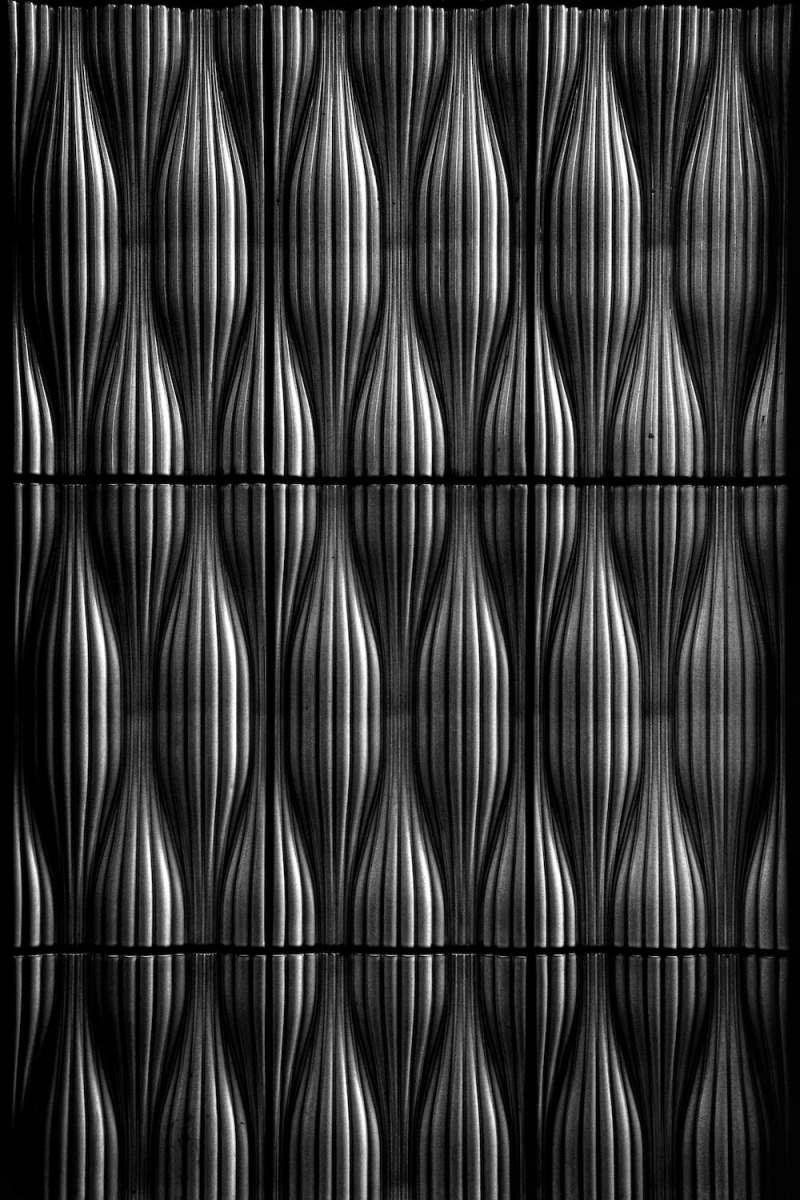
Pattern
The digital design feels lively, as though dancing or vibing to its virtual music. The direction of the road bending around the mountains in the distance leads the eye towards the sunset. In this image, value sets the mood of a wet and dreary scene. The darkness of the trees and shadows on the tractor emphasize a dark and mysterious atmosphere.
Principle of Consistency and Standards in User Interface Design
It's Time to Define Your Company's Principles - HBR.org Daily
It's Time to Define Your Company's Principles.
Posted: Mon, 16 Oct 2023 16:08:53 GMT [source]
Writing an instruction manual on design patterns is laborious to write and read. It’s significantly easier to adopt, understand, update, maintain and implement from live examples. Design systems are about supporting others with tools and information to improve upon what has already been built — not police against it. I’ve been curating my personal values (and principles) over the years to be more conscious of what I value when maintaining a design system. They were always just my “opinions” that I didn’t write down. The right operating model serves as a bridge between strategy and effective execution.
What is circular design? Key to the circular economy - Iberdrola
What is circular design? Key to the circular economy.
Posted: Thu, 20 May 2021 09:13:47 GMT [source]
On the other hand, if your designs have good proportions, they will look balanced and natural (even if they’re abstract). Contrasting colors are often used to create balance in a design. While dark colors recede from view and light colors come forward, there are times when both dark and light colors need to be used together.
It sets the foundation for effective collaboration, efficient execution, and successful outcomes in the product development journey. While repetition adds a sense of harmony to your design, variety keeps it interesting and prevents users from getting bored. Proportion, also referred to as scale, is the relative size of objects within a design. Elements that are larger in relation to others will stand out more and appear to have more importance to users.
Design principles help to guide and steer a design throughout the design process. At each point of the process it should be possible to consider and review a design in the context of a shared set of principles. Principles can also help to determine when a design is ready for release and to inform success metrics to track. Design principles provide guidance and highlight important considerations for designers and non-designers alike.
Emphasis is the part of a design that catches the eye of the user—a focal point, in other words. Ideally, this should be the most important part of the design, whether that’s the headline, an image, or a CTA. If everything on your page looks like it has the same importance, then nothing appears important. You need to use visual cues to tell people what to pay attention to first, second, third, etc. In the Define stage, you will organize the information you have gathered during the Empathize stage.
Visual hierarchy is about organizing the value of the elements within your design. By ranking information from most important to least important, you make it easier for the viewer to digest your content. “White Space in design composition is the same as the use of silence in a musical composition.
The model also specified mechanisms to promote collaboration with the countries (see Figure 2). Let’s assume “Clarity” and “Consistency” are two principles you abide by. You feel that by being consistent and aligning the established design patterns sacrifices clarity in your application. Should clarity trump consistency, or is consistency more important? There could be valid argumants made on both sides, but with a hierarchy of principles, it’s clear which principle takes preference, and there is no debate.
Colour and size are the most common ways we can create hierarchy — for instance, by highlighting a primary button, or using larger fonts for headings. Items that appear at the top of a page or app also tend to be viewed as having a higher hierarchy than those appearing below. The WWF logo, shown earlier, is an example of making use of the principle of gestalt to create interesting designs. By placing the parts of a panda near one another and strategically, the design makes use of our tendency to view the whole of an image rather than its parts, thereby creating an illusion of a panda. Texture can be created by a repeated pattern of lines, or by using tiled images of textures. Above, the diagonal lines add a ‘grip’ effect to an otherwise ‘smooth’ rectangle.
Design principles are guidelines, biases and design considerations that designers apply with discretion. Professionals from many disciplines—e.g., behavioral science, sociology, physics and ergonomics—provided the foundation for design principles via their accumulated knowledge and experience. The principles include contrast, balance, pattern, variety, and unity. These guidelines use elements to tell a story or atmosphere and help blend the elements effectively.
Proportion is the relationship between two or more elements in a design, particularly the size and scale of them. When things are "proportionate”, it means there’s a coordination between them that makes the design look aesthetically pleasing. Symmetrical design uses an imaginary vertical (or sometimes horizontal) line to divide a design into two halves around a central point. Elements of equal visual weight are balanced on each side of the axis to create symmetry. Some online graphic makers can also help you do the job faster. With Renderforest Graphic Maker you can browse through the professional templates created by our team of designers, choose the ones you need, and start editing them.

Design principles represent the accumulated wisdom of researchers and practitioners in design and related fields. When you apply them, you can predict how users will likely react to your design. “KISS” (“Keep It Simple Stupid”) is an example of a principle where you design for non-experts and therefore minimize any confusion your users may experience.
As already mentioned, there is no real consensus in the design community about what the main principles of design actually are. That said, the following twelve principles of visual design are those mentioned most often in articles and books on the subject. Design principles not only help to build a shared understanding of what good looks like, but can be utilised when evaluating designs.


No comments:
Post a Comment